
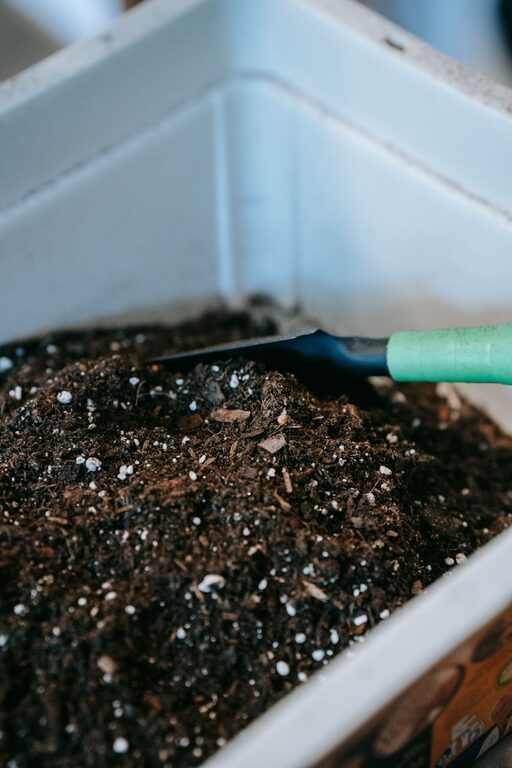
Composting at home is a fantastic way to reduce waste and create nutrient-rich soil for your garden. If you’re new to composting, the idea might seem a little daunting, but with a few simple tips and the right approach, you’ll be on your way to producing healthy compost in no time. This guide will walk you through the basics of composting and offer practical advice for beginners.
Why Compost at Home?
Composting helps divert organic waste from landfill, reducing greenhouse gas emissions. It also enriches your garden soil, improving plant health and reducing the need for chemical fertilisers. Plus, turning your kitchen scraps and garden clippings into valuable compost is a great way to connect with nature and practise sustainability.
Getting Started: What You’ll Need
Choose a Composting Method
There are several composting methods to suit different lifestyles and spaces:
– Traditional Compost Bin: A simple enclosed bin, often made of plastic or wood, that you fill with waste.
– Compost Tumbler: A rotating drum that makes turning the compost easier and speeds up decomposition.
– Worm Composting (Vermicomposting): Uses worms to break down kitchen waste indoors, ideal for smaller spaces.
– Open Compost Heap: A pile in your garden, perfect if you have plenty of space.
Choose the method that fits your available space, time, and interest.
Select a Location
Place your compost bin or heap on bare soil if possible. This allows beneficial organisms like worms to enter and help break down the materials. Make sure the site is convenient to access but not in direct, harsh sunlight or an overly wet spot.
What to Compost: The Basics of “Greens” and “Browns”
Effective composting relies on a balance of two types of materials:
– Greens: These are nitrogen-rich items like vegetable scraps, fruit peels, coffee grounds, and grass clippings. They provide the proteins and moisture needed for microorganisms to thrive.
– Browns: Carbon-rich materials such as dry leaves, shredded paper, cardboard, straw, or small branches. They add bulk and help air circulate in the compost.
Aim for roughly three parts brown to one part green to create the ideal balance for decomposition.
What Not to Compost
Avoid adding the following to your compost pile as they can cause odours, attract pests, or spread disease:
– Meat, fish, and dairy products
– Cooked or oily foods
– Diseased plants
– Pet faeces or litter
– Weeds that have gone to seed
– Synthetic chemicals or treated wood
Step-by-Step Guide to Building Your Heap
- **Start with a Layer of Browns:** Begin your pile with a 10–15 cm thick layer of dry leaves or straw to encourage airflow.
- **Add Greens:** Add your kitchen scraps and fresh garden waste in layers.
- **Alternate Layers:** Continue layering browns and greens to keep the balance.
- **Keep it Moist:** The pile should be about as damp as a wrung-out sponge. Add water if it feels dry.
- **Turn Regularly:** Use a garden fork to turn the pile every 1–2 weeks to aerate it and speed up decomposition.
Troubleshooting Common Composting Issues
– Bad Odours: Usually caused by too much green material or lack of air. Add more browns and turn the pile.
– Slow Decomposition: May result from a pile being too dry, too cold, or lacking green material. Moisten and add fresh scraps.
– Pests: Avoid meat and oily foods. Secure your bin and bury kitchen scraps under browns.
Using Your Finished Compost
After a few months, the compost will look dark, crumbly, and smell earthy. Use it as:
– A soil amendment to improve texture and fertility
– Mulch around plants to retain moisture
– Potting mix ingredient for seedlings and container plants
Additional Tips for Success
– Chop or shred large materials to speed breakdown.
– Use a compost thermometer if you want to monitor the temperature.
– Be patient. Composting naturally takes time but rewards you with excellent soil.
– Celebrate your contribution to reducing waste and nurturing your garden’s health.
Conclusion
Starting composting at home is easier than you might think. By choosing the right method, balancing materials, and maintaining your compost pile thoughtfully, you can create a sustainable cycle that benefits your garden and the environment. Give it a go and enjoy the satisfaction of turning kitchen scraps into garden gold!