
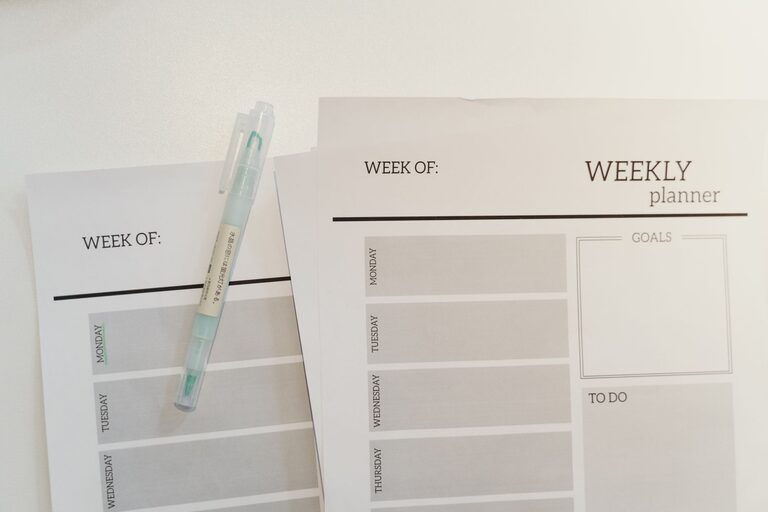
Setting realistic weekly goals is a powerful way to boost your productivity and make steady progress in both your personal and professional life. However, many people struggle with setting goals that are either too ambitious or too vague, leading to frustration and burnout. In this post, we’ll explore effective strategies to establish clear, manageable weekly goals that keep you motivated and help you accomplish what matters most.
Why Set Weekly Goals?
Weekly goals provide a focused timeframe to work towards specific achievements. Unlike daily goals, which can be too small, or yearly goals, which may feel distant, weekly goals strike a balance that encourages consistent effort and measurable progress.
By setting weekly goals you can:
– Prioritise your tasks effectively
– Track your progress regularly
– Adjust plans as needed for better outcomes
– Maintain motivation with achievable milestones
Step 1: Reflect on Your Larger Objectives
Before diving into your weekly goals, it’s important to understand your broader ambitions. These could be related to your career, health, learning, or personal development. Take a moment to review your long-term goals and consider which ones you want to focus on in the upcoming week.
Tip: Write down your main objectives for the month or quarter to keep your weekly goals aligned and meaningful.
Step 2: Be Specific and Clear
Vague goals can be confusing and hard to measure. Instead of saying, “I want to exercise more,” a more specific goal would be, “I will go to the gym three times this week.” This clarity makes it easier to track your success and stay accountable.
Ask yourself:
– What exactly do I want to accomplish?
– How will I know when I have achieved it?
– Is this goal measurable?
Step 3: Keep It Achievable
One of the most common mistakes is setting goals that are too difficult to achieve in a week. This can lead to disappointment and loss of motivation. To avoid this, consider your available time, resources, and energy.
Tips for achievable goals:
– Break bigger goals into smaller steps
– Consider your schedule realistically
– Allow some flexibility for unexpected events
Step 4: Prioritise Your Goals
You might have many tasks you want to complete, but focusing on a few key goals will yield better results. Use a simple prioritisation method, such as identifying the top three tasks that will make the most impact.
Methods to prioritise:
– Eisenhower Matrix (urgent vs important)
– ABC prioritisation (assign letters based on priority)
– Time-blocking for critical tasks
Step 5: Write Down Your Goals
Writing down your weekly goals helps reinforce commitment and serves as a constant reminder. Use a planner, notebook, or digital app depending on your preference. Review your goals each day to stay on track.
Step 6: Plan Your Week
Create a rough schedule that fits your goals around your other commitments. Allocate specific times to work on your weekly objectives, and break tasks into manageable chunks.
Example weekly plan:
– Monday: Research for project (1 hour)
– Wednesday: Draft report (2 hours)
– Friday: Review and finalise (1 hour)
Step 7: Monitor Progress and Adjust
Checking your progress regularly is key to staying motivated. At the end of each day or mid-week, assess what you have completed and identify any obstacles. Adjust your plan if needed, but avoid reducing your goals unless absolutely necessary.
Step 8: Celebrate Achievements
Completing your weekly goals deserves recognition, no matter how small the accomplishment. Celebrating your progress boosts confidence and encourages you to set new goals.
Common Challenges and How to Overcome Them
Procrastination
Break tasks into even smaller steps and set timers to start working. Sometimes, simply beginning is the hardest part.
Overloading Your Schedule
Remember, quality matters more than quantity. Focus on meaningful goals rather than trying to do everything at once.
Lack of Motivation
Remind yourself why the goal matters. Keeping your larger objectives in mind can reignite your enthusiasm.
Useful Tools to Help Set and Track Weekly Goals
– Digital planners: Google Calendar, Todoist, Trello
– Physical planners: Bullet journals, day planners
– Habit trackers: Apps like Habitica or Streaks
Conclusion
Setting realistic weekly goals is a practical habit that helps you stay organised, motivated, and productive. By being specific, prioritising wisely, and reflecting on your progress, you set yourself up for continuous success. Start small, be consistent, and watch how focused planning makes a big difference in achieving your ambitions week by week.