
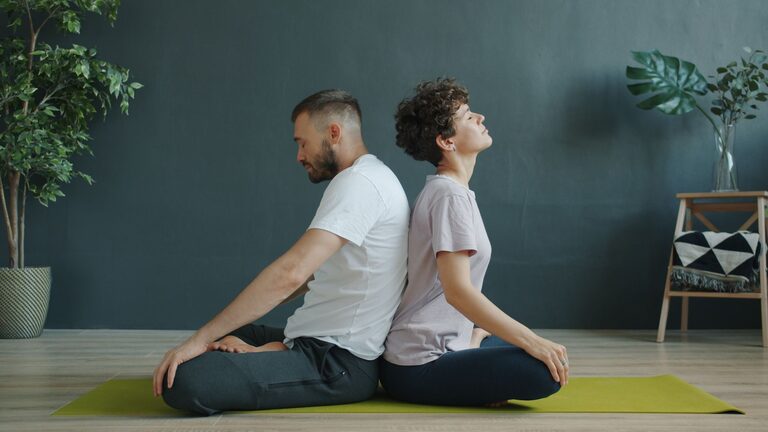
Taking mindful breathing breaks is a simple yet powerful way to bring calm and clarity into your daily routine. Whether you’re at work, studying, or managing a busy home life, pausing to focus on your breath can help reduce stress and improve concentration. If you are new to mindful breathing, this guide will provide practical tips to get started and make the most of your breaks.
What is Mindful Breathing?
Mindful breathing means paying close attention to your breath as it flows in and out of your body. It is a form of meditation that brings your awareness to the present moment, helping you step away from worries or distractions. Unlike deep breathing exercises aimed solely at relaxation, mindful breathing encourages gentle observation without trying to control your breath.
Why Take Mindful Breathing Breaks?
Incorporating mindful breathing into your day offers a variety of benefits:
– Reduces stress and anxiety: Focusing on breath slows down the nervous system.
– Improves concentration: Clears mental clutter, helping you stay on task.
– Enhances emotional balance: Creates space for calm and thoughtful responses.
– Boosts energy: Refreshes your mind during fatigue or overwhelm.
– Promotes physical relaxation: Releases tension in muscles and lowers heart rate.
How to Prepare for a Mindful Breathing Break
Before you begin, find a quiet and comfortable space where you won’t be disturbed for a few minutes. You can sit in a chair with your feet flat on the floor or even stand if that’s more convenient. Keep your spine straight but relaxed, allowing your shoulders to drop naturally.
Beginner Tips for Mindful Breathing Breaks
1. Start Small and Build Up
Begin with just 1 to 3 minutes of mindful breathing. Short sessions are easier to maintain and help prevent frustration. As the practice becomes more natural, you can gradually extend this time.
2. Focus on Natural Breathing
Don’t try to change your breath right away. Simply notice how your breath feels as it enters and leaves your nose or mouth. Pay attention to the rise and fall of your chest or belly.
3. Use a Simple Breathing Pattern
If you feel comfortable, try a gentle pattern like:
– Breathe in slowly for 4 counts
– Hold for 2 counts
– Breathe out slowly for 6 counts
This helps regulate your breath and encourages relaxation, but don’t worry if it feels awkward at first.
4. Observe Without Judgement
Your mind will wander, and that’s completely normal. When you notice your thoughts drifting, gently bring your attention back to your breath without criticising yourself.
5. Incorporate Mindful Breathing at Key Moments
Try mindful breathing during natural pauses in your day, such as:
– Before starting work or a meeting
– During breaks or lunchtime
– When feeling stressed or overwhelmed
– Before going to sleep to unwind
6. Use Guided Resources if Needed
There are many apps and online videos offering guided mindful breathing exercises tailored for beginners. These can provide helpful structure and encouragement.
Simple Mindful Breathing Exercises for Beginners
Here are a few easy exercises to try during your mindful breathing breaks:
Box Breathing (Square Breathing)
- Inhale through your nose for 4 seconds
- Hold your breath for 4 seconds
- Exhale through your mouth for 4 seconds
- Hold your breath for 4 seconds
- Repeat for 3 to 5 rounds
- Breathe into your belly, feeling it rise
- Fill your chest with breath
- Let the breath reach your collarbones
- Exhale slowly and completely
- Repeat for several breaths, noticing each part of the inhale and exhale
- Take a natural breath in and out
- Silently count “one” on the out-breath
- Next breath count “two,” and so on, up to ten
- If your mind wanders, return to counting at one
3-Part Breath
Counting Breaths
Tips to Maintain Your Practice
– Set reminders: Use phone alarms or sticky notes to prompt mindful breathing breaks.
– Create a calming environment: Dim lights or play soft music if it helps you relax.
– Be consistent: Try to practice at the same times daily for better habit formation.
– Be patient: Mindfulness is a skill developed over time, so gentle persistence is key.
When to Avoid Mindful Breathing
While mindful breathing is beneficial for most people, it might be uncomfortable during intense emotional distress or if you have certain respiratory conditions. If in doubt, seek advice from a qualified professional.
Final Thoughts
Mindful breathing breaks are a simple, accessible way to care for your mental and physical wellbeing. By dedicating a few minutes each day to gently observe your breath, you can cultivate calm, focus, and resilience. Start small, be kind to yourself, and enjoy the many benefits this practice offers.
Remember, all you need is your breath—anytime, anywhere. Why not try your first mindful breathing break today?