
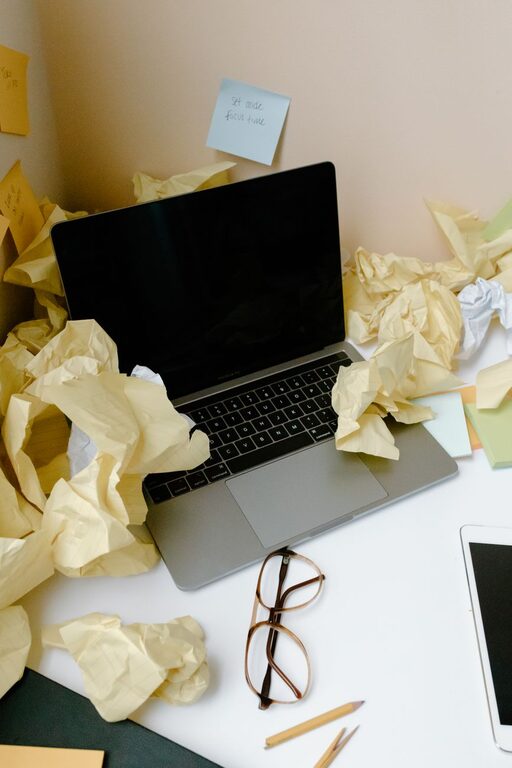
Managing household paper clutter can often feel overwhelming. From bills and receipts to old magazines and junk mail, paper seems to accumulate faster than we can handle. Fortunately, reducing paper clutter doesn’t require drastic measures or a complete lifestyle overhaul. With a few simple habits and systems, you can keep your home tidy and your paperwork under control. Here are some straightforward ways to reduce household paper clutter effectively.
Understand the Sources of Paper Clutter
Before tackling paper clutter, it’s helpful to identify where most of your paper comes from. Common sources include:
– Mail and newspapers
– Receipts and warranties
– School and work documents
– Magazines and brochures
– Bills and statements
By recognising your paper culprits, you can focus on strategies that are most relevant to your household.
Set Up a Designated Paper Station
Creating a central spot for all incoming paper helps prevent piles from forming around the house.
What your paper station needs:
– A tray or basket for incoming mail
– Folders or files to sort important documents
– A shredder for unwanted papers
– A recycling bin nearby
By sorting mail and documents as soon as they enter your home, you can decide quickly what to keep, file, or discard.
Reduce Incoming Paper
One of the most effective ways to cut paper clutter is to reduce the amount coming into your home.
– Go paperless: Opt for electronic statements and bills wherever possible. Many companies offer email notifications and online account access.
– Unsubscribe: Cancel subscriptions to magazines or catalogues you no longer read.
– Limit junk mail: Register with services that reduce unsolicited mail or contact companies directly to be removed from mailing lists.
Create a Filing System That Works for You
A simple, accessible filing system encourages regular sorting and prevents paper from accumulating.
Tips for filing:
– Use clearly labelled folders or binders, such as ‘Bills’, ‘Receipts’, ‘Medical’, and ‘School’.
– Keep files in a visible location to remind you to maintain them.
– File documents as soon as possible instead of stacking them.
Deal with Paper Immediately
Procrastination often leads to piles of paper. Make it a habit to deal with paper daily or weekly.
– Sort mail when you bring it in.
– Shred or recycle unnecessary papers on the spot.
– File anything important immediately.
Even a few minutes a day can make a big difference over time.
Digitise Important Documents
Scanning essential documents into digital form reduces physical clutter and makes them easier to organise.
Benefits of digitising:
– Saves space by eliminating paper storage
– Makes documents searchable and accessible from multiple devices
– Provides backup copies in case originals are lost
Remember to back up files securely and consider using password-protected folders for sensitive information.
Manage Receipts and Warranties
Receipts and warranties can quickly build up and become messy.
– Keep only receipts that are needed for returns, warranties or expense tracking.
– Use a small envelope or folder labelled ‘Receipts’ for easy collection.
– Regularly review and discard receipts that are no longer needed.
Recycle and Shred Regularly
Not all paper can simply be thrown away. Some documents contain personal information that should be shredded.
– Set a routine for shredding sensitive papers, such as bank statements or medical records.
– Recycle non-sensitive paper to reduce waste.
Maintaining this habit keeps clutter down and protects your privacy.
Use Paper Less Frequently
Consider changes to habits that reduce paper use in your home.
– Take notes digitally using apps on your phone or tablet.
– Read newspapers and magazines online.
– Use digital calendars and reminders instead of paper planners.
These small adjustments can reduce the need for paper storage altogether.
Involve Everyone in Your Household
Paper clutter is a shared responsibility.
– Encourage family members to place mail and papers in the designated station.
– Teach children to sort their school papers regularly.
– Make decluttering paper a routine family activity.
Working together makes maintaining a clutter-free home much easier.
Conclusion
Reducing household paper clutter is a manageable task with the right approach. By creating designated spaces for paper, reducing incoming mail, digitising documents, and maintaining regular sorting habits, you can enjoy a tidier, more organised home. Start with one or two of these simple methods and gradually build them into your routine for lasting results.