
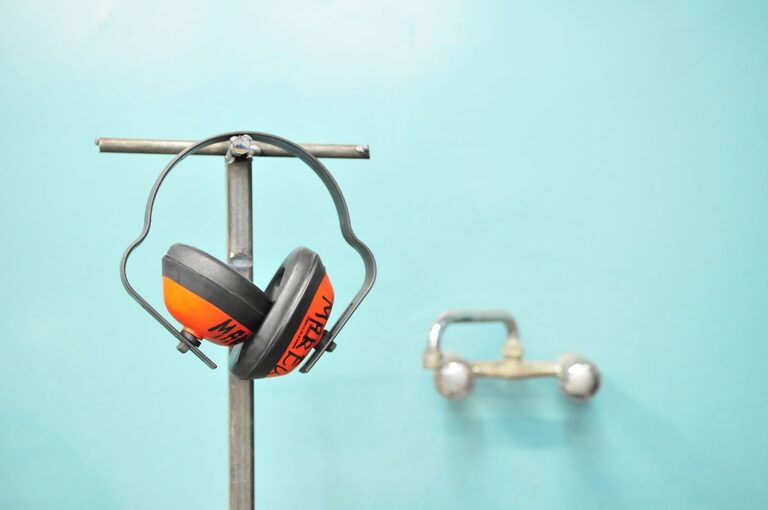
Living in a noisy environment can affect your comfort, concentration, and overall well-being. Whether it’s traffic sounds, loud neighbours, or household noises, reducing unwanted noise at home is essential for creating a calm and relaxing space. Fortunately, there are simple and practical ways to reduce noise without expensive renovations. This post explores effective strategies for minimising noise in your home, helping you enjoy a quieter atmosphere.
Understanding Noise Sources at Home
Before tackling noise reduction, it’s helpful to identify common sources of noise around and inside your home:
– Traffic and street noise
– Noisy neighbours or communal areas
– Household appliances and electronics
– Footsteps, voices, and other internal sounds
– Outdoor activities or construction nearby
Once you know where the noise is coming from, you can apply targeted solutions to reduce its impact.
Simple Ways to Reduce Noise Indoors
1. Use Soft Furnishings to Absorb Sound
Hard surfaces reflect sound waves, making noise more noticeable. Incorporating soft furnishings can help absorb noise and reduce echoes inside your home.
– Add thick curtains or drapes on windows to block outside noise.
– Use rugs or carpets on hard floors to soften footsteps and reduce sound reflections.
– Place cushions, upholstered furniture, and fabric wall hangings in frequently used rooms.
2. Seal Gaps and Cracks
Noise can enter through small gaps around doors, windows, and walls. Sealing these openings makes a big difference.
– Use weatherstripping or door sweeps on exterior doors.
– Apply acoustic sealant or caulk to window frames and wall cracks.
– Fit draft excluders at the bottom of doors to block noise leaking from corridors or stairwells.
3. Rearrange Furniture Strategically
Furniture placement can influence how sound travels in a room.
– Position large pieces such as bookshelves against walls that face noisy areas.
– Create barriers between noise sources and quiet areas.
– Use upholstered furniture to help absorb sound.
4. Use White Noise or Sound Machines
Sometimes masking unwanted noise with pleasant sound can reduce its impact.
– White noise machines produce soothing sounds like rain, waves, or static to cover background noise.
– Fans or humidifiers can also create gentle background sounds to help you focus or relax.
– Smartphone apps often offer a variety of ambient noise options.
Reducing Noise from Outside
5. Improve Window Soundproofing
Windows are common weak spots for noise entering your home.
– Install double or triple-glazed windows for better sound insulation.
– Use heavy or lined curtains to block noise at night.
– Consider adding window inserts or secondary glazing for an affordable upgrade.
6. Create Outdoor Noise Barriers
If you have a garden or yard, natural or artificial barriers can help reduce noise from the street or neighbours.
– Plant dense hedges, shrubs, or trees along boundaries.
– Erect fences or walls designed to block or absorb sound.
– Use trellises with climbing plants to add greenery and sound buffering.
Managing Internal Household Noise
7. Maintain and Use Appliances Wisely
Household devices sometimes generate unnecessary noise.
– Regularly service appliances to ensure they run quietly.
– Choose quieter models when replacing old appliances.
– Use washing machines, dishwashers, and vacuum cleaners during times that are less likely to cause disturbance.
8. Mind Floor and Ceiling Noise
If you live in a shared building or have upstairs bedrooms, noise from footsteps or voices can be disruptive.
– Use rugs or carpet runners on floors to muffle footsteps.
– Fit underlay beneath carpets for extra sound absorption.
– Ask upstairs neighbours nicely to minimise noise at night, if appropriate.
Tips for a Quieter Lifestyle at Home
– Keep background music and TV volumes moderate.
– Use soft-close mechanisms on doors and drawers.
– Encourage family members to be mindful of noise levels.
– Create designated quiet zones for work, study, or relaxation.
When to Consider Professional Help
If noise problems persist despite your best efforts, you might want to consult a soundproofing or acoustic specialist. They can assess your home and recommend customised solutions, such as adding specialised insulation, acoustic panels, or window upgrades.
Conclusion
Reducing noise at home doesn’t have to be complicated or costly. By using simple fixes like soft furnishings, sealing gaps, rearranging furniture, and managing appliance noise, you can significantly improve your home’s tranquillity. Remember that a quieter home boosts your comfort, productivity, and peace of mind, making it well worth the effort. Try these practical tips today and enjoy your calm, cosy space.